


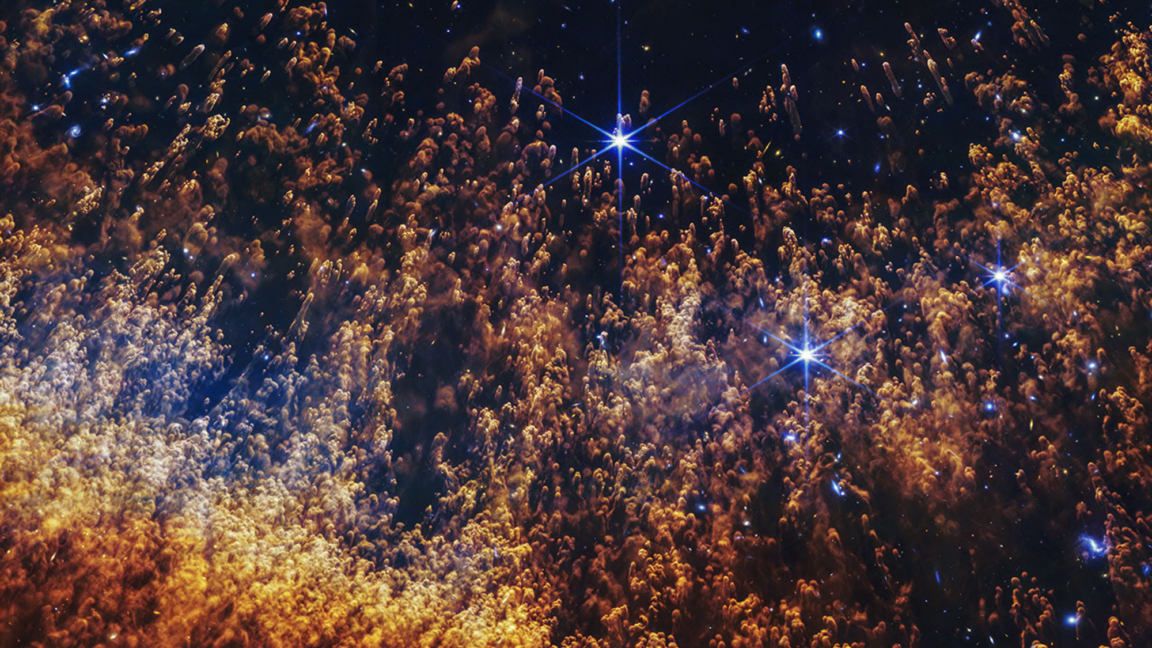
Webb reveals a planetary nebula with phenomenal clarity, and it is spectacular
The colors show the star’s final breath transforming into the raw ingredients for new worlds.
The Helix Nebula is one of the most well-known and commonly photographed planetary nebulae because it resembles the "Eye of Sauron." It is also one of the closest bright nebulae to Earth, located approximately 655 light-years from our Solar System.
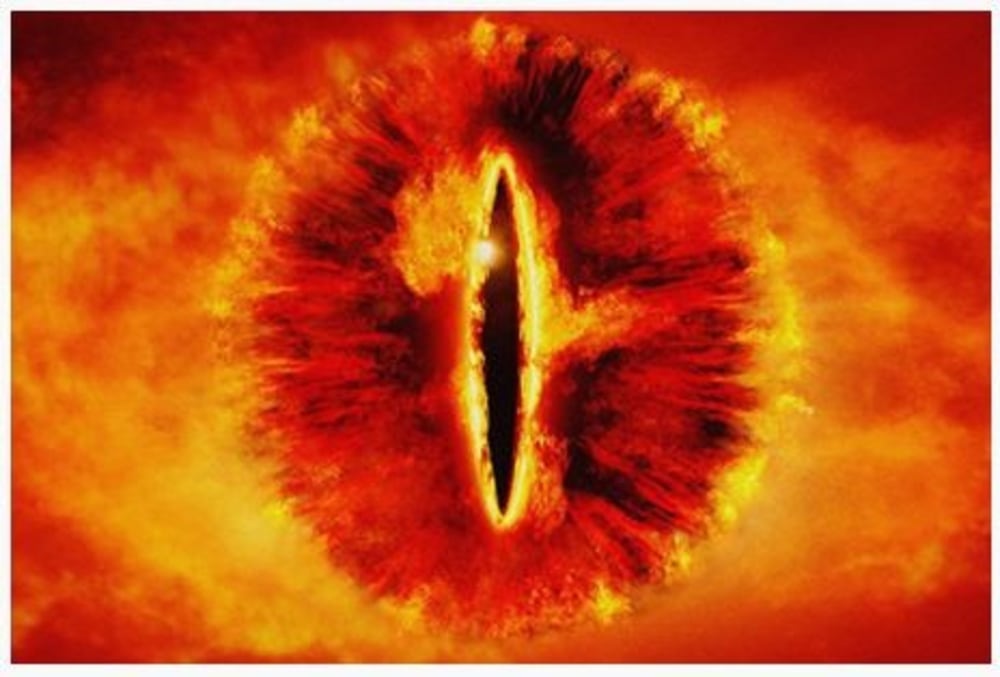
You may not know what this particular nebula looks like when reading its name, but the Hubble Space Telescope has taken some iconic images of it over the years. And almost certainly, you'll recognize a photograph of the Helix Nebula, shown below.
Like many objects in astronomy, planetary nebulae have a confusing name, since they are formed not by planets but by stars like our own Sun, though a little larger. Near the end of their lives, these stars shed large amounts of gas in an expanding shell that, however briefly in cosmological time, put on a grand show.