Climate change sucks, but at least it won't kill your EV battery
Older EVs, but not newer ones, may lose up to 30 percent range in a warming world.
Older EVs, but not newer ones, may lose up to 30 percent range in a warming world.
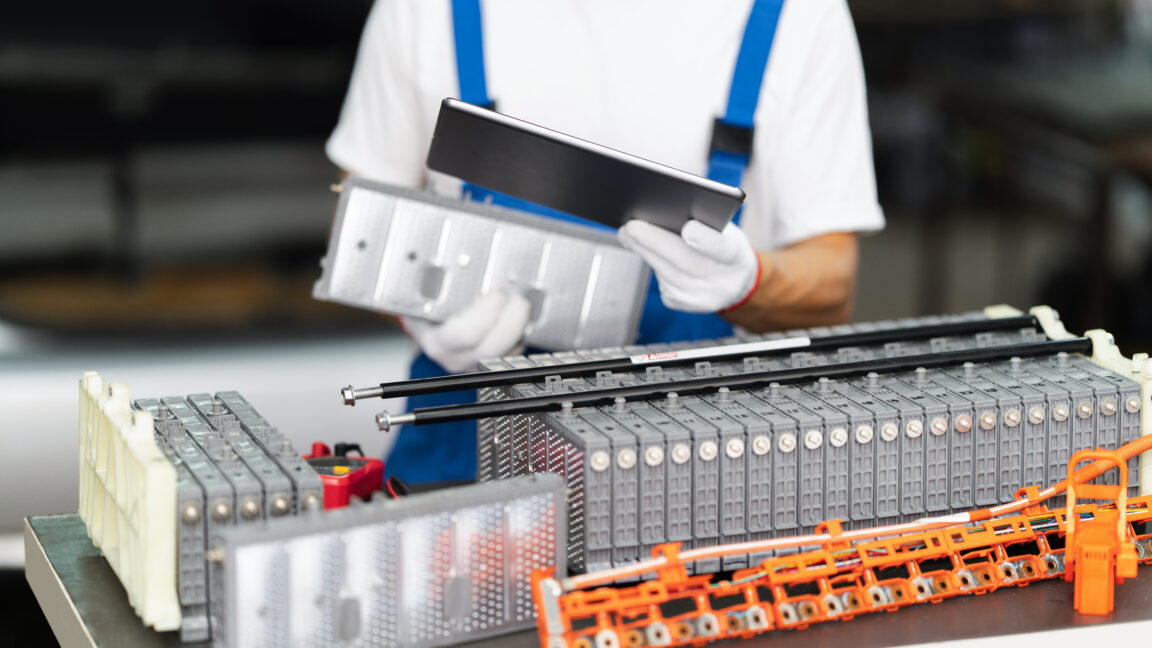
If you've spent more than five minutes driving an electric vehicle, chances are good you're a convert. But most people haven't driven an EV, and surveys show that many are scared to consider ditching internal combustion engines for something that plugs in because of concerns about battery reliability. It's easy to see why—if you don't follow the field that closely, you'll have missed some serious technology advances over the last few years.
Early EVs indeed suffered from lithium-ion battery degradation over time, similar to the energy storage loss common in lithium-ion-powered consumer electronics. But modern EV batteries aren't the same as the ones in your toothbrush or that old tablet that lasts just a few hours. With modern EV battery management systems and active thermal control—liquid cooling, in other words—range loss shouldn't be more than about 2 percent per year.
A new study from researchers at the University of Michigan provides a clear illustration of this progress. We all know the planet is undergoing human-caused warming, and a warm world is worse for EVs in a couple of ways.
This story was first published by Ars Technica. Read the original report
We use cookies to run this site and, with your consent, to measure traffic and improve our content. Necessary cookies are always on. You can accept all cookies or choose which ones to allow. Privacy policy.