


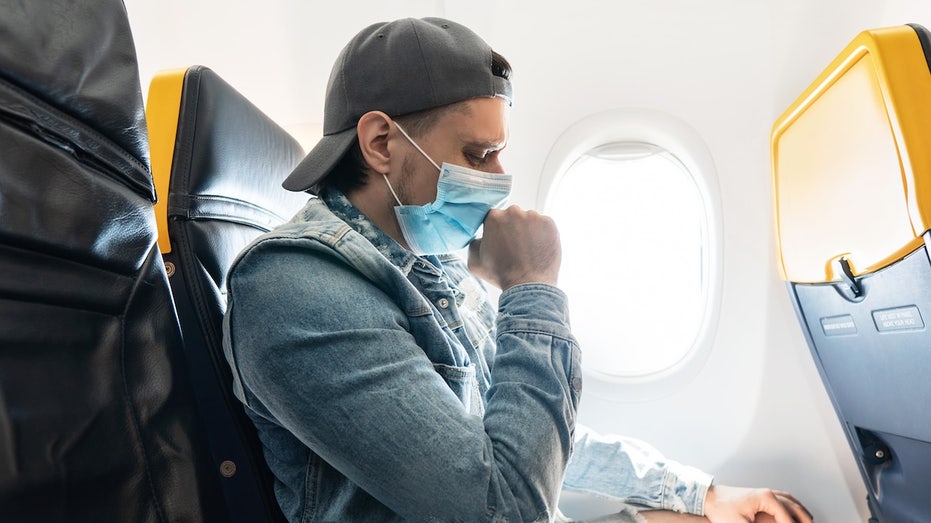
Highly contagious virus with no treatment spreading rapidly through western state
A highly contagious respiratory virus, HMPV, is spreading on the West Coast and beyond. Experts warn of symptoms, severe risks and how to protect yourself.
Cold, flu and COVID may get the most attention, but a lesser-known, highly contagious virus is taking the West Coast by storm.
Wastewater SCAN data show that human metapneumovirus, or HMPV, is rampant in Northern California — specifically San Francisco, Marin, Vallejo, Napa, Novato, Santa Rosa, Sacramento and Davis, per reports.
The virus peaked sharply in January and remains elevated in early March, although the seasonal winter wave is now tapering.
FLU SEASON COULD LINGER INTO SPRING AS DOCTORS WARN OF SECOND WAVE ON THE WAY
HMPV is in the same viral family as respiratory syncytial virus (RSV) and was first discovered in 2001, according to the Centers for Disease Control and Prevention.
The National Wastewater Surveillance System (NWSS), part of the CDC, monitors samples of wastewater (sewage) for viruses and bacteria to detect infection patterns in communities.
"It is a single-stranded RNA virus, like flu and COVID," Dr. Marc Siegel, Fox News senior medical analyst, told Fox News Digital. "The virus is increasing not only in the west, but also around the country."
The wastewater data also show that HMPV is rising sharply in the Midwest and Northeast.
URGENT WARNING ISSUED BY CDC AS CHIKUNGUNYA VIRUS OUTBREAK HITS VACATION DESTINATION
The most common symptoms of the virus in healthy children and adults include cough, fever, nasal congestion and shortness of breath, per the CDC.
Those at highest risk of severe illness, such as pneumonia, include young children, older adults and those who are immunocompromised. It leads to over 650,000 hospitalizations yearly worldwide, according to Siegel.
TEST YOURSELF WITH OUR LATEST LIFESTYLE QUIZ
Rare effects of HMPV can include asthma attacks, wheezing, difficulty breathing, bronchiolitis (infection of the small airways), ear infections, croup (a "barking" cough) and fever, per the CDC.
Adults with COPD (chronic obstructive pulmonary disease) can experience complications of their illness if they contract HMPV. "It can worsen chronic lung conditions," Siegel confirmed.
The virus can be transmitted from close personal contact, as well as from coughing, sneezing and touching contaminated surfaces, per the CDC.
CLICK HERE TO SIGN UP FOR OUR HEALTH NEWSLETTER
HMPV is most commonly reported from winter through spring.
There is currently no vaccine or treatment for the virus, the CDC notes, but HMPV can be diagnosed via testing by a healthcare provider. Supportive care includes drinking plenty of hydrating fluids and resting.
The agency provides the following prevention methods to help curb spread.