

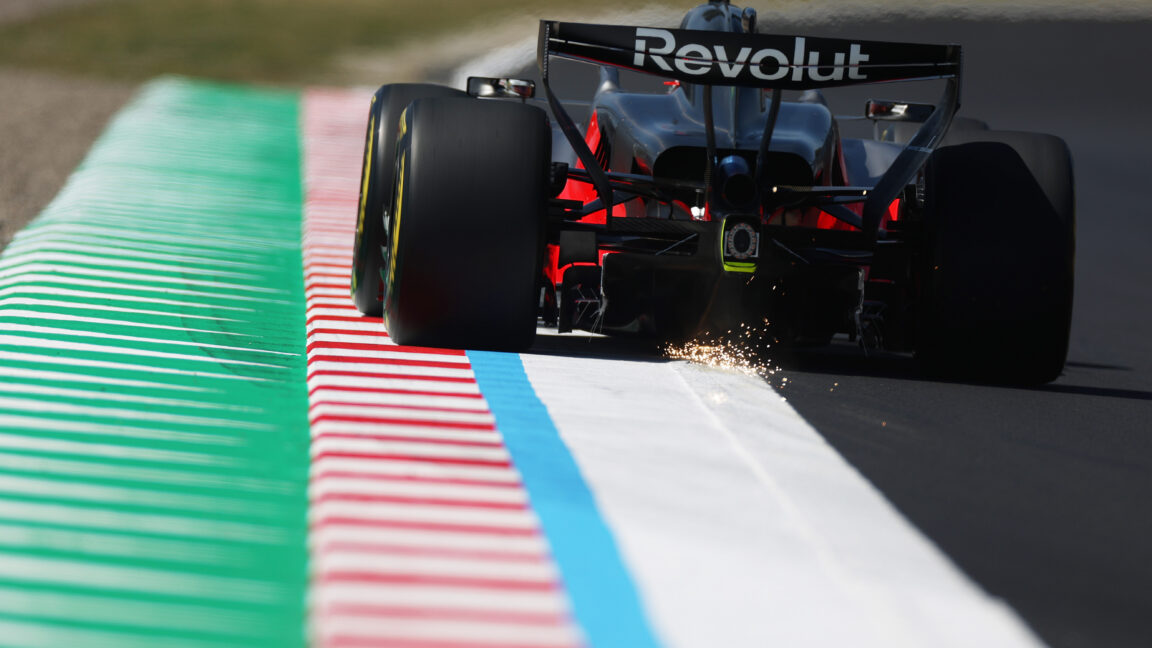
F1 moves a step closer to fixing its 2026 hybrid problem
Algorithms, not drivers, are deciding how hard to accelerate, and that's no good.
Formula 1 is enjoying something of an unexpected break right now. The war in the Middle East saw the cancellation of F1 races that were due to be held this month in Bahrain and Saudi Arabia. Instead, the teams will use this time to further develop their cars. For teams like Aston Martin, Cadillac, and Williams, it will be a welcome respite and a chance to catch up to the midfield. Even Mercedes, clear and away the championship favorite this year, has things to work on if it wants to stop losing so many positions at the start of each race or have an easier time passing cars in traffic.
That should keep the mechanics and engineers quite busy, but in case not, technical representatives from each team as well as the FIA (the sport's governing body) are sitting down throughout the month to try to fix some problems that are a consequence of F1's new technical rules.
This is about hybrids, you say?
From the start of this year, F1 cars have new hybrid power units. There's a 1.6 L turbocharged V6 engine that runs on carbon-neutral gasoline, which generates 400 kW (536 hp). And there's an electric motor-generator unit (or MGU) that outputs up to 350 kW (469 hp) as long as there's charge in the 4 MJ (1.1 kWh) battery pack. As batteries go, that's about the right size for something like a Prius, but in an F1 car at full deployment, it goes from full to empty in little more than 11 seconds.