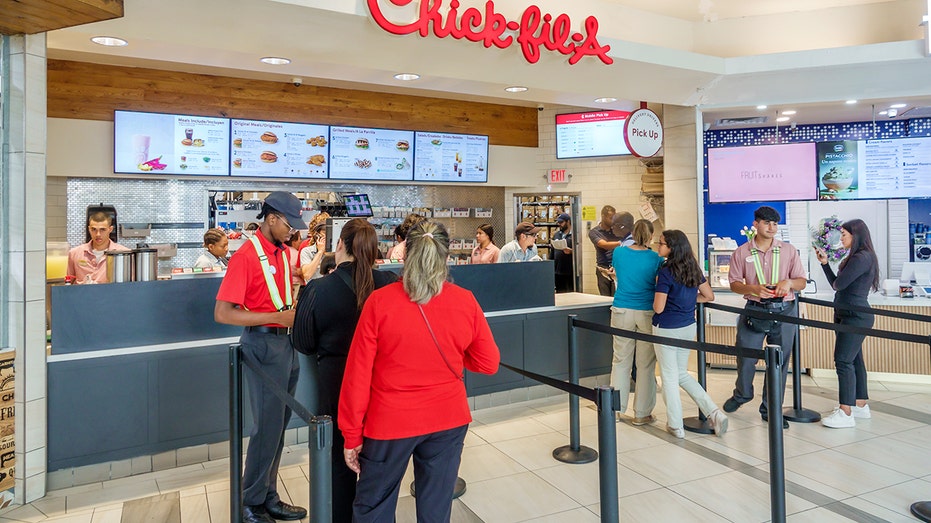
Fast-food chain Chick-fil-A retreats from decade-old egg pledge as bird flu hits supply
Blaming bird flu as well as industry challenges, Chick-fil-A says it may not meet its 2026 cage-free egg pledge, nearly a decade after making the commitment.
Nearly a decade after making a high-profile food sourcing pledge, Chick-fil-A says it may not meet its own deadline.
The chain may fall short of its promise to consumers to switch to 100% cage-free eggs by the end of 2026 — citing ongoing industry challenges and the impact of bird flu, according to its website.
The Atlanta-based fast-food chain announced the goal in 2016, saying it would source only cage-free eggs within a decade as part of a broader push toward "transparent and responsible sourcing," according to a company news release at the time.
FAST-FOOD SHOCKER: TEXAS CHAIN BEATS MCDONALD'S, BURGER KING ON VALUE
"In 2016, Chick-fil-A communicated we would source only 100% cage-free eggs by 2026," the company website now states.
"Currently, our ability to meet this commitment in the stated time frame is uncertain due to numerous industry dynamics and the significant impact the bird flu has had over the past several months and continues to have on our industry."
The company did not disclose what percentage of its eggs are currently cage-free — but it did say its suppliers must meet its "strict quality standards" and that it complies with state laws requiring cage-free sourcing.
CHICK-FIL-A'S NEW FROSTED SODAS, RETRO CUPS SPARK BUZZ AND QUESTIONS FROM FANS AND WORKERS
When reached by Fox News Digital, Chick-fil-A declined to provide any additional comment beyond its existing website statement.
At least nine states, including California, Massachusetts and Colorado, currently require eggs sold within their borders to come from cage-free hens.
The fast-food chain pointed to avian influenza as a key obstacle, an issue that has disrupted egg supply across the country in recent years.
Ssome industry data, however, suggests cage-free farms may have been less affected, with more losses occurring among birds raised in cages, according to Tasting Table.
CLICK HERE TO SIGN UP FOR OUR LIFESTYLE NEWSLETTER
Meanwhile, cage-free eggs have become more widely available in the U.S. over the past decade, with nearly half of the nation's egg-laying hens raised cage-free as of 2025.
Other major restaurant chains, including McDonald's and Starbucks, have already completed their transitions to 100% cage-free eggs, according to reports.
Several other casual dining brands and fast-food competitors have also met similar commitments.
CLICK HERE FOR MORE LIFESTYLE STORIES
Cost differences between conventional and cage-free eggs have also narrowed as supply has grown, with cage-free eggs averaging only slightly higher prices per egg, according to Tasting Table.
Animal welfare advocates have long pushed for cage-free eggs as a baseline, but the label still doesn't mean chickens go outdoors or have significantly more space, unlike higher standards such as pasture-raised foods.
Chick-fil-A maintains that it continues to prioritize animal welfare through its broader supplier requirements.
The company says its chicken suppliers must adhere to detailed standards, including climate-controlled environments, access to food and water and third-party audits to ensure compliance, according to its website.
TEST YOURSELF WITH OUR LATEST LIFESTYLE QUIZ
"We are constantly evaluating our policies and seeking to ensure our policy best reflects what is best both for our guests and animal well-being," the company states.