Could this be the moment that drug manufacturing takes off in orbit?
"I do think it's a really good historical moment for the space industry."
"I do think it's a really good historical moment for the space industry."
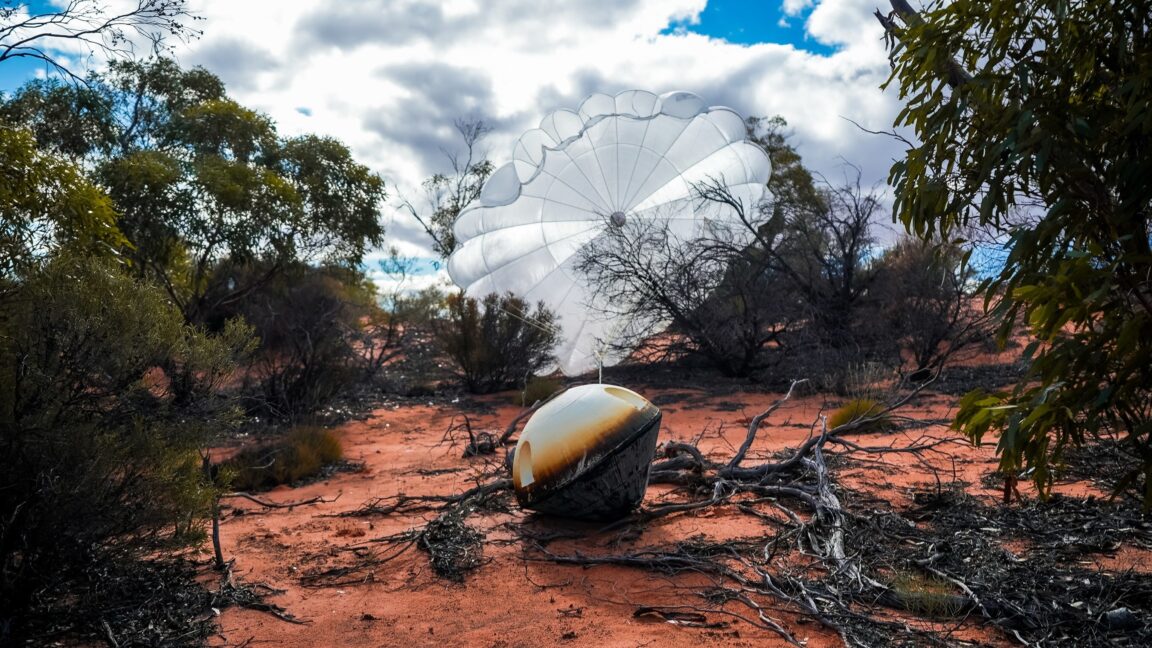
NASA has enabled scientists to study the impact of microgravity on drug development for decades, beginning with the Space Shuttle. This work accelerated in the 2010s, with the completion of the International Space Station and full-time crew members devoted to scientific research.
There have been some notable successes during this timeframe, such as the ability to grow a more uniform crystalline form of the cancer drug Keytruda in 2019. This opened up the possibility of administering the drug via injection rather than requiring a patient to spend hours in a clinic setting to receive the drug intravenously.
NASA subsidized much of this work, typically paying the considerable costs to transport research to the ISS and for astronaut time to conduct research there. There were, however, trade-offs, such as long lead times to get research into space. Nevertheless, it has become clear that there could be some commercial applications for making drugs in space.
This story was first published by Ars Technica. Read the original report
We use cookies to run this site and, with your consent, to measure traffic and improve our content. Necessary cookies are always on. You can accept all cookies or choose which ones to allow. Privacy policy.