



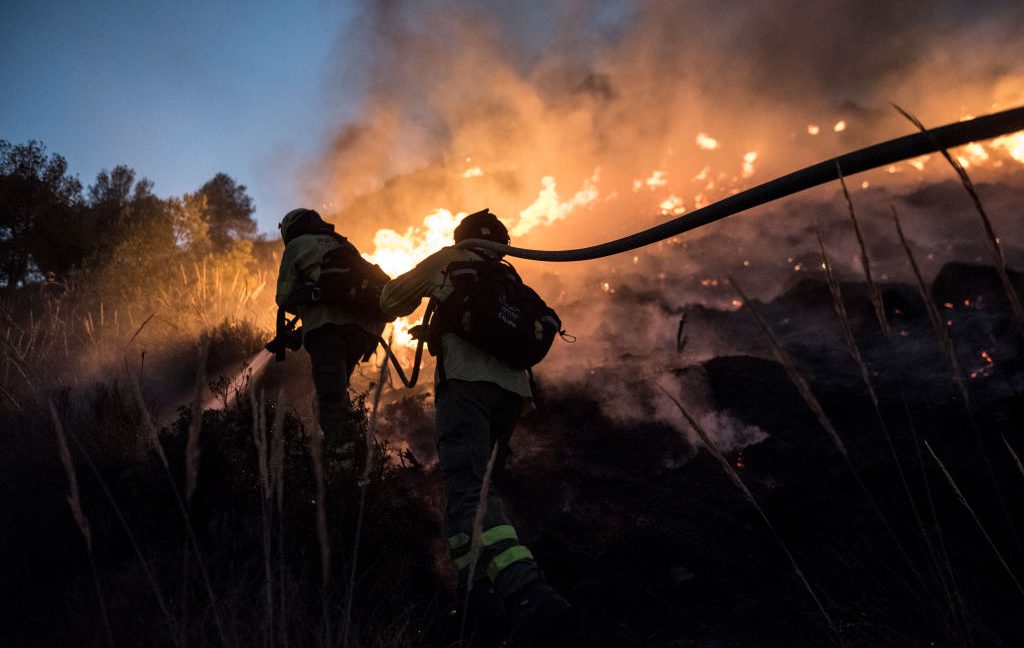
Forecasters predict wildfires, floods, severe heatwaves from incoming El Niño
Ocean heat plus human-caused global warming is a grim recipe for deadly climate extremes.
Scientists said this week that a developing El Niño is likely to amplify heatwaves, droughts and floods this year, but warned that the long-term warming caused by burning fossil fuels remains the main driver of climate extremes.
El Niño is the warm phase of a semi-regular temperature oscillation in the tropical Pacific Ocean, during which massive amounts of heat stored in the ocean are released into the atmosphere, temporarily raising the average annual global surface temperature by as much as 0.3 degrees Fahrenheit.
During an online briefing this week, researchers said that the consequences of a moderate or strong El Niño today are more damaging than those of similar events just a few decades ago because the entire global climate system is now substantially warmer.