


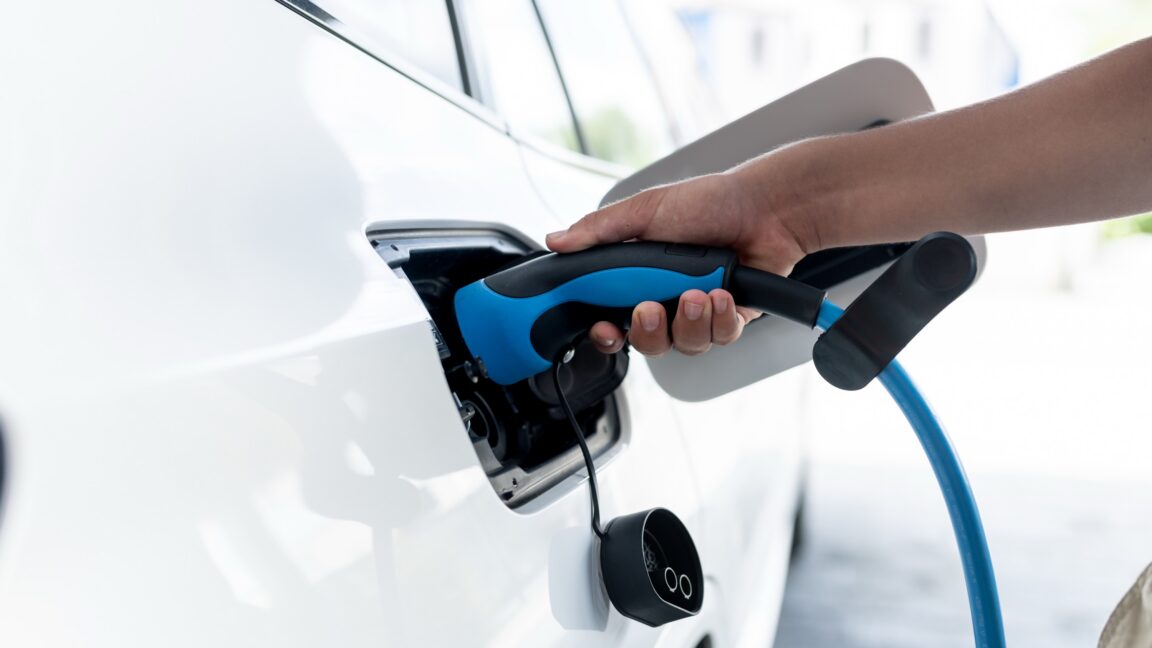
Plug-in hybrids get plugged in more than you might think
Toyota is the latest automaker to report PHEV charging stats, and they're encouraging.
Plug-in hybrid powertrains were developed to be the best of both worlds: a combustion engine and fuel tank that can handle those longer journeys exactly the same as a non-hybrid car, with an electric motor and a battery large enough for most or all of someone's daily driving range. But only if you plug it in. And it is often taken as a statement of fact that plug-in hybrid owners don't plug in their plug-in hybrids.
Instead, they were seduced into buying a car with far too big a battery, no doubt as a result of generous incentives, the theory goes. And if those drivers aren't going to plug in and therefore enjoy at least some entirely electric driving, they should have bought a parallel hybrid instead, which often delivers better efficiency than a PHEV with an empty battery, at a significantly lower price.
But what if that take is wrong? As it turns out, there's some more evidence that PHEV drivers do in fact plug in their plug-ins, and the latest data point is from one of the most prolific PHEV pushers: Toyota.