Researchers develop a new process to get lithium out of rocks
If it scales up, it can help us diversify our sources of a key element.
If it scales up, it can help us diversify our sources of a key element.
While we make batteries based on many different chemistries, nothing has approached the massive scale at which we can produce lithium batteries. That scale makes the economics of lithium-ion batteries hard to compete with. Even if we develop a superior battery technology, it's unclear whether we can get manufacturing costs down quickly enough to compete with the efficiency of the lithium supply chain and manufacturing.
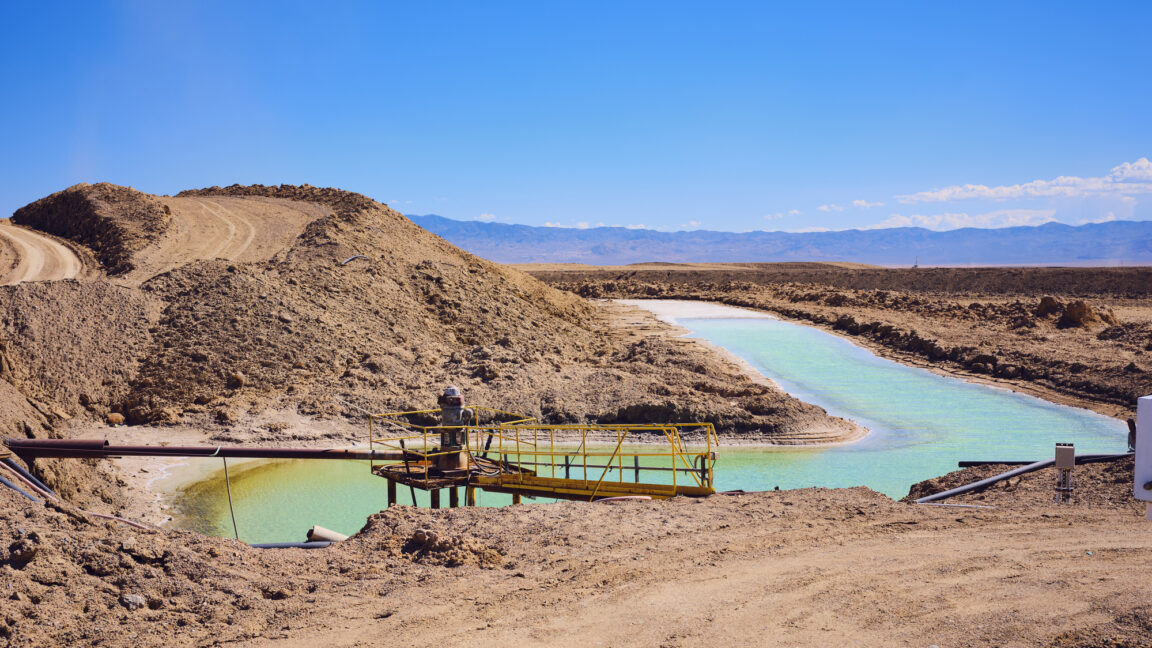
The one thing that could change the dynamics is a supply crunch. While lithium is extremely widespread, lithium that can be extracted economically is a different matter. It's cheapest to extract it from brines, and lithium-rich brines are largely limited to South America. We do obtain some lithium from other sources, but it's considerably more expensive.
In today's issue of Science, however, a research team has identified an energy-efficient means of extracting lithium from rocks. The process they've designed uses far less energy than existing ones, regenerates all its starting chemicals, and produces byproducts that could also be sold.
This story was first published by Ars Technica. Read the original report
We use cookies to run this site and, with your consent, to measure traffic and improve our content. Necessary cookies are always on. You can accept all cookies or choose which ones to allow. Privacy policy.