


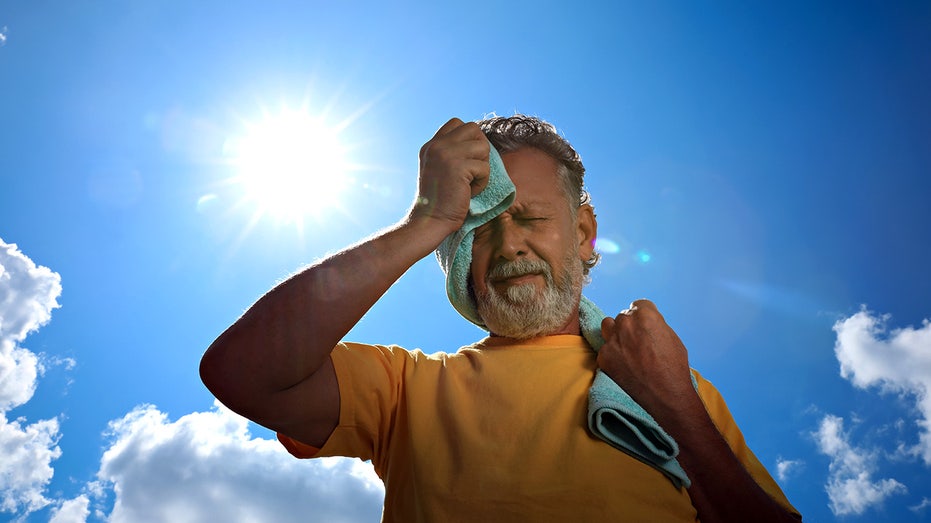
Beat the heat: Here are some of the best tips to avoid heatstroke during a hike this summer
Learn the key differences between heat exhaustion and heatstroke, plus essential tips on hydration, cooling down, and staying safe outdoors this summer.
With summer quickly approaching, the days are starting to get warmer and longer, which means you'll be spending more time outside.
Hiking, fishing, swimming, along with many other outdoor activities will surely dominate your schedule as we shift into the summer months.
With that increased time in the sun, you will no doubt have to keep an eye out for heatstroke.
Growing up in South Florida, I've had several first-hand experiences with extreme heat and have even seen what heatstroke looks like (spoiler: it ain't pretty).
HEATSTROKE TRAGEDIES SPARK URGENT NATIONWIDE WARNING ABOUT SAFETY PRACTICES
It can sneak up on you if you don't know what you're looking for, so here are a few tips to help you beat the heat and avoid a trip to the emergency room so you can enjoy your summer to the fullest.
Heat exhaustion is a serious issue, and it may even be a precursor to heatstroke if you aren't careful, but actual heatstroke is a condition that often requires emergency medical attention.
Knowing the difference between the two is crucial, so here are some key differences between the two.
WEARABLE HYDRATION MONITOR COULD HELP PREVENT HEATSTROKE, SCIENTISTS SAY
Heat Exhaustion
Heat Stroke
The key difference and one of the tells of heatstroke is a change in mental state, so if a friend is acting confused or disoriented, call 911 immediately.
It could be a matter of life and death.
You've probably heard the saying, "it's not the heat, it's the humidity."
That's not just an old wives' tale. The humidity can often play just as much of a factor as the temperature.
I've hiked in both South Florida and the Dallas-Fort Worth area in the middle of summer, and the former has presented way more of a challenge climatically than the latter, even while DFW was pushing 110 degrees.
The reason is that South Florida is way more humid in the summer months than almost anywhere else in the U.S., and the higher the humidity, the harder it is for your sweat to evaporate properly, thus reducing your body's ability to cool itself.
I've often compared Florida's heat to a sauna, while Texas' heat feels more like a hair dryer.
Both are dangerous, but that humidity will get you every time, so be mindful of that.
If you're planning on hiking in the summer months, how you prepare could be the difference between a successful trek and an early exit.
People are always cognizant of how much water they bring or how many snacks they pack, but what if I told you it's more important how much you eat and drink beforehand?
That's right! If you aren't properly hydrated before your hike, it won't matter how many jugs or camelbacks you bring, you'll never catch up.
Most people are already slightly dehydrated before their activity even starts, so make sure you drink enough water leading up to any outdoor excursion.
The same goes for food.
Hunger can derail your entire hike, so make sure you've fueled up properly before leaving for the day.
Salty foods can help your body retain water better, while high-protein meals can help you recover quicker.
If you start feeling any symptoms listed above, don't try to "tough it out."
Start an aggressive cool-down period almost immediately after you feel dizzy or lightheaded.
Some of the best ways to quickly cool down would be to find a shady area, apply a cold, wet rag to your head and neck, and start drinking fluids (don't guzzle).
In a pinch, remove excess clothing and, if you have any, apply ice to your armpits, neck and groin area.
It may sound weird, but that is one of the fastest ways to rapidly cool down after overheating.
HIKER DIES ON ICONIC ARIZONA PARK TRAIL DURING EXTREME SUMMER HEAT
It doesn't take much to go from heat exhaustion to full-on heatstroke, so the minute you start to exhibit even one of the symptoms, alert your hiking partners and take a break.
You could be a couch potato or a lifelong triathlete -- heatstroke comes for us all the same.
ZERO BS. JUST DAKICH. TAKE THE DON'T @ ME PODCAST ON THE ROAD. DOWNLOAD NOW!
You can be as in shape as possible and still feel the effects of overheating. Hell, look at LeBron James cramping up against San Antonio in the 2014 NBA Finals.
Heatstroke doesn't discriminate, and every year, elite athletes, military personnel and weekend warriors fall victim to overheating.
Just because you are "in shape" doesn't mean the same rules don't apply to you as well. Follow all of these rules and guidelines, no matter your athletic profile, and you will be fine.
It doesn't take much to ruin your day and end up in the emergency room (or worse), so stay cool this summer!