


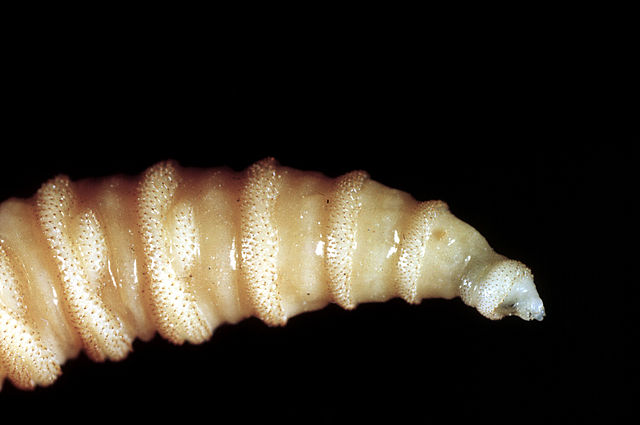
Screwworms in US: Human risk is low—but they can burrow through your skull
The chances are low, but not zero.
Ravenous, flesh-eating flies have busted through containment barriers and have now reemerged in the US. On Monday and Tuesday, the US Department of Agriculture reported three new cases, bringing the tally to five.
One of the cases is in a dog, though it's unclear where it became infected; the dog lives in New Mexico, had its infection reported in Texas, and may have recently traveled to Mexico, where the flies are also spreading. But the other four US cases were all in Texas—and all in calves—two in Zavala County and two in La Salle County.
Almost all the attention over screwworm's resurgence has focused on the threat to livestock, like the calves and, in turn, the financial risk to the cattle industry. The fly's voracious, screw-shaped larvae can fell cattle if given the chance, and preventing infestations requires intense vigilance. The USDA has estimated that if the flies stage a comeback rivaling isolated outbreaks of the past, they could cost Texas producers $732 million per year and the Texas economy $1.8 billion.