
What we learned at Microsoft Build: Autopilots, MAI-Thinking-1, and Nvidia RTX Spark
Microsoft Build, the Windows Maker

Microsoft is so keen to help you deploy AI agents, it's building its own version of OpenClaw — and a new agentic OS based on Android rather than Windows.
CEO Satya Nadella doubled down on AI agents and tools during his keynote at the company's annual Microsoft Build conference for developers on Tuesday. That included a first look at Project Soltera, an Android-based software platform which Microsoft calls "a chip-to-cloud platform designed for an open, multiple agent world that expands how agents are built, deployed and experienced."
You can watch the Microsoft Build 2026 keynote for yourself, or we can give you the highlights.
The MAI family of models
Nadella unveiled Microsoft's first reasoning AI model, the first in a new suite of MAI models. This is the tech giant attempting to reduce its reliance on models from its longtime partner OpenAI. In fact, this Build has been described by some observers as Microsoft's AI independence day.
MAI-Thinking-1 is a mid-sized, 35-billion-parameter model with a 128,000-context window, and Microsoft was keen to emphasize its low token cost compared to similar models. "MAI-Thinking-1 was designed to be good at complex multi-step instructions, long context reasoning, and code generation," said Kyle Daigle, Microsoft Developer CMO and COO of GitHub, at a virtual media briefing ahead of the keynote.
The other models include:
MAI-Image-2.5 and a Flash variant
MAI-Transcribe-1.5
MAI-Voice-2 and a Flash variant
MAI-Code-1
The new MAI models will be available in Microsoft Foundry and various other Microsoft products, such as PowerPoint and OneDrive.
Project Soltera
Project Soltera is the Android-based OS for running multiple agents in a secure environment.
What will that mean in practice? Nadella unveiled two concept devices — a wearable badge device using Qualcomm silicon that helps users stay connected to agents when they're away from their laptops, and a "desk device" for managing agents that will help you "think, plan, and get things done without breaking flow."
That's a rather hopeful long-term mission, given that Microsoft's current main AI chatbot, Copilot, was intended for entertainment purposes only, until recently.
SEE ALSO: Microsoft TOS: Copilot is for 'entertainment purposes only,' not 'important advice'Autopilots and Microsoft Scout
We got a laundry list of products led by Microsoft Scout, the company's agent built atop the popular OpenClaw. It's meant to be a new "always on" AI assistant connected to the Microsoft suite of apps like Outlook and Teams. Think Copilot, but a more powerful version that can work across apps.
This Tweet is currently unavailable. It might be loading or has been removed.
The company said Microsoft Scout will be the first of a new type of customizable AI agents from Microsoft called Autopilots.
At Microsoft Build, the company clearly wanted to position its tools as a more secure way for companies to utilize AI agents. OpenClaw, for instance, has notorious cybersecurity drawbacks.
“Agents can execute multi-step workflows locally while running inside an operating system-enforced boundary rather than unmanaged user sessions,” said Kyle Daigle, Microsoft Developer CMO, at a media briefing ahead of the keynote. “This reduces risk when agents execute code, access files, or interact with networks on the device.”
Nvidia and the Microsoft Surface Ultra
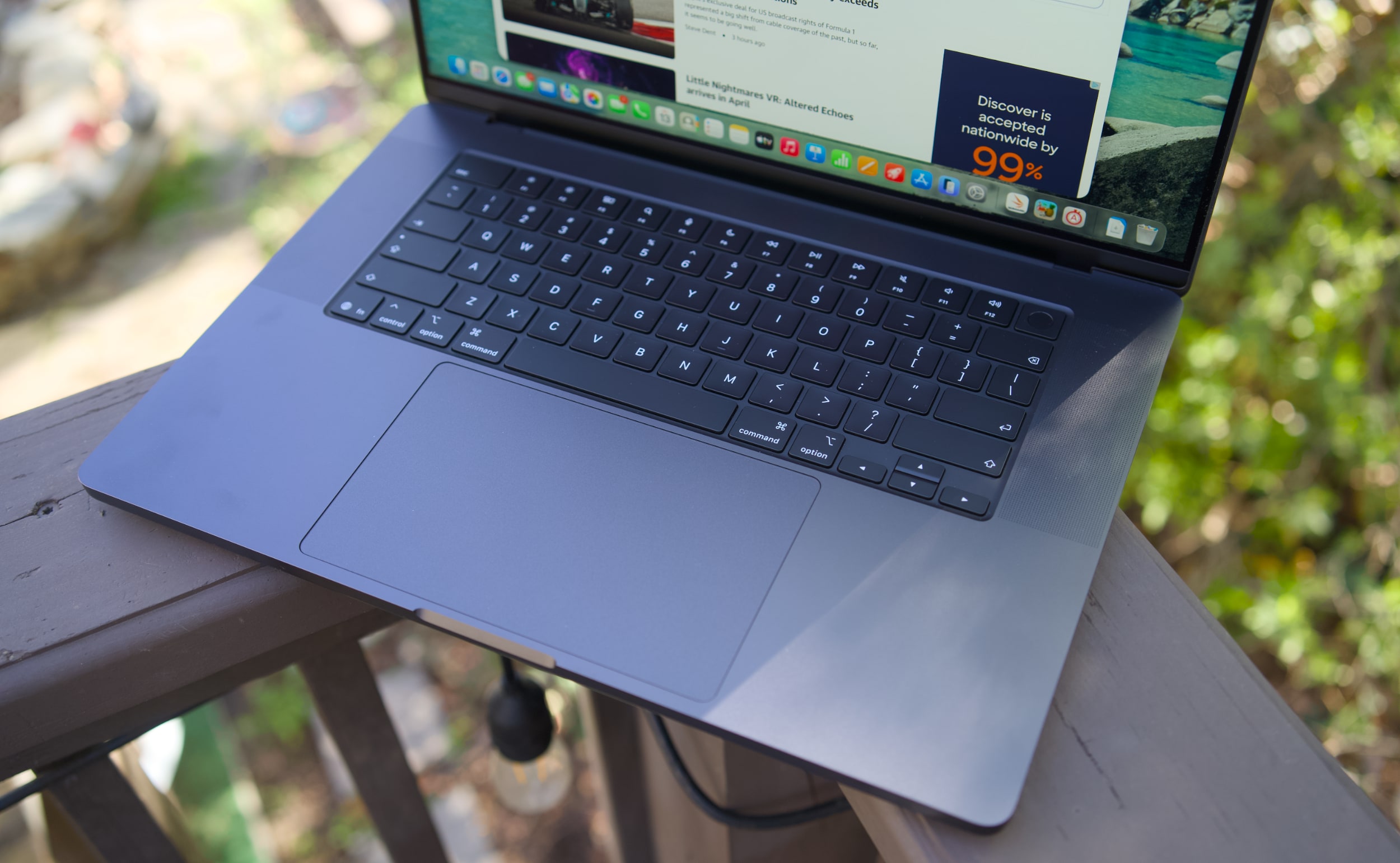
As Nadella pulled away from OpenAI, he embraced Nvidia — whose CEO Jensen Huang appeared, virtually, to help launch the Microsoft Surface Ultra. The new AI laptop is aimed at developers, designed for agents, and powered by Nvidia RTX Spark, a new PC chip. Nadella also teased a forthcoming quantum chip, the Majorana 2, with the aim of making a working quantum computer by 2029.
"This is never about tech for tech's sake," Nadella said.
As Nadella was speaking, President Trump signed a new executive order seeking to regulate AI models. It was the latest sign of a vibe shift in the AI world, coming hot on the heels of a growing backlash against indiscriminate AI "tokenmaxxing", and a feverish hunt for any ROI in AI.