


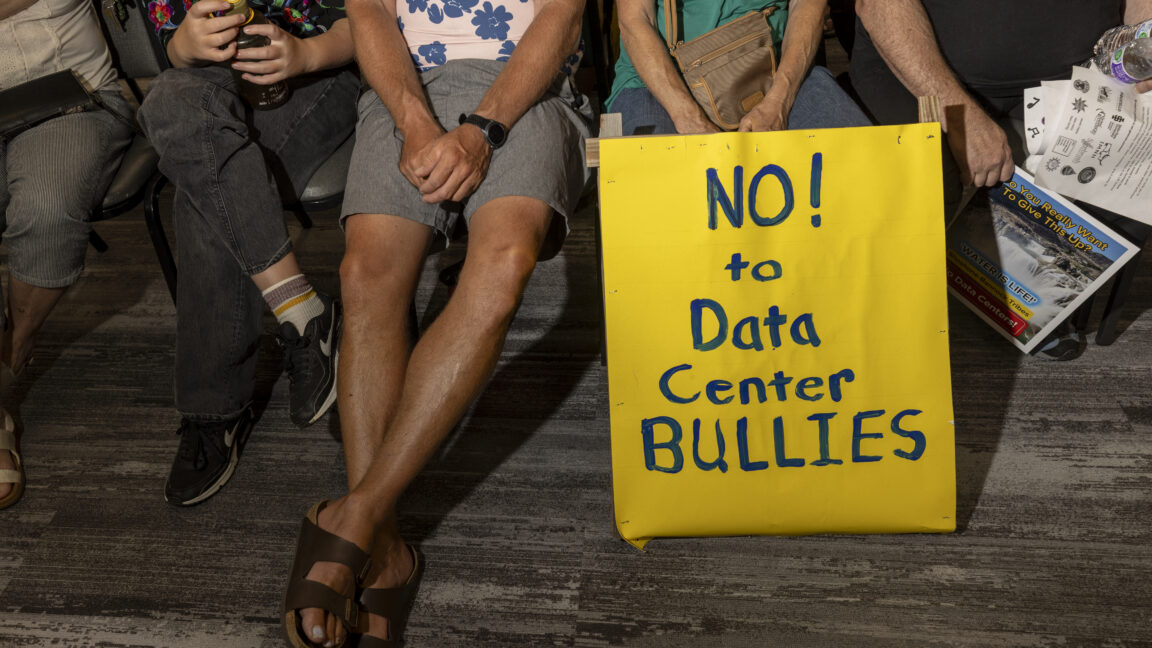
Philly suburb: Sure, build that data center—but first meet our 43 demands
The final condition will shock you! (It won’t. It’s taxes.)
From New York to Texas, state and local governments have heard the message: Their constituents are wary of data centers. Across the political spectrum, large numbers of Americans agree that these facilities should pay taxes, cover the bill for water and power upgrades, keep noise to a minimum, and employ locals at decent wages. In other words, data centers should legitimately benefit the communities whose land and power they use.
Developers often express a willingness to do these things—until they see the specific list of requirements.
A pitched battle in the Philadelphia suburbs provides a vivid illustration of this dynamic. Developer Brian O'Neill wants to build a 2 million-square-foot data center in a former steel plant. Under Pennsylvania law, Plymouth Township (in which the plant is located) cannot simply say "no" to any lawful land use, but it can enforce zoning rules and require project mitigations in the name of health and safety.