What happens when you put AI to work deciphering lost languages?
AI is fantastic at spotting patterns, but human insight is the key.
AI is fantastic at spotting patterns, but human insight is the key.
Every ancient language that has ever been deciphered needed an anchor. Usually that’s a bilingual text, like the Rosetta Stone, or a known relative to compare it to. Linear A, the writing system of the Bronze Age Minoan civilization on the Greek island of Crete, has neither.
Linear A is described as a “language isolate” because it has no confirmed link to any known language, living or dead. As such, it has posed a significant challenge for linguists over the past century.
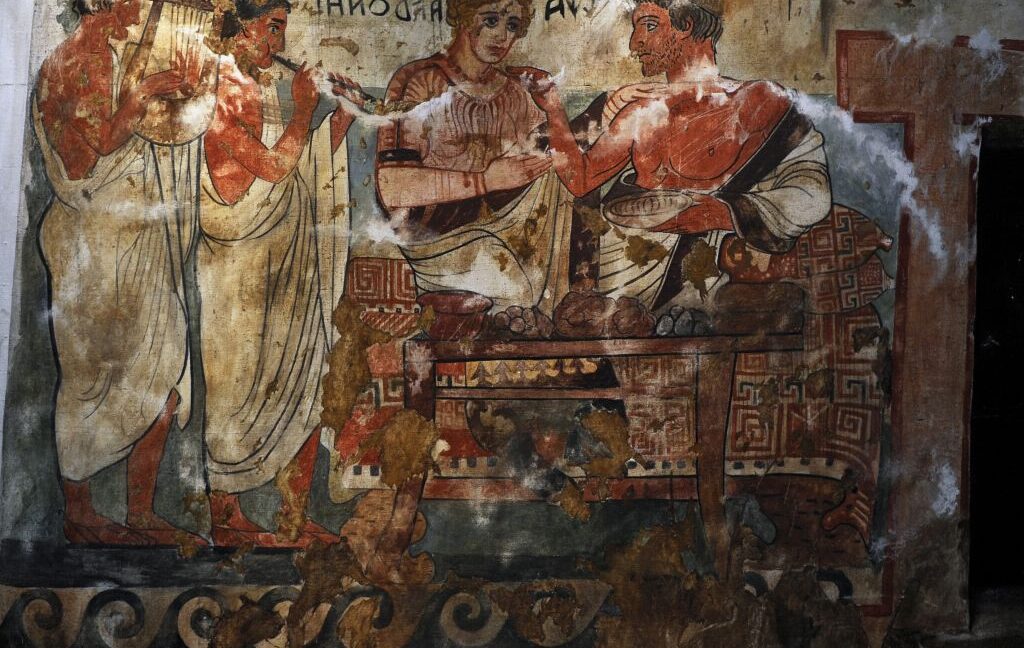
Etruscan, a language of Italy that was used before the rise of the Roman Empire, has fared only slightly better. A partial vocabulary has been collected from short funerary inscriptions, but its grammar and deeper meaning still elude linguists.
This story was first published by Ars Technica. Read the original report
We use cookies to run this site and, with your consent, to measure traffic and improve our content. Necessary cookies are always on. You can accept all cookies or choose which ones to allow. Privacy policy.