


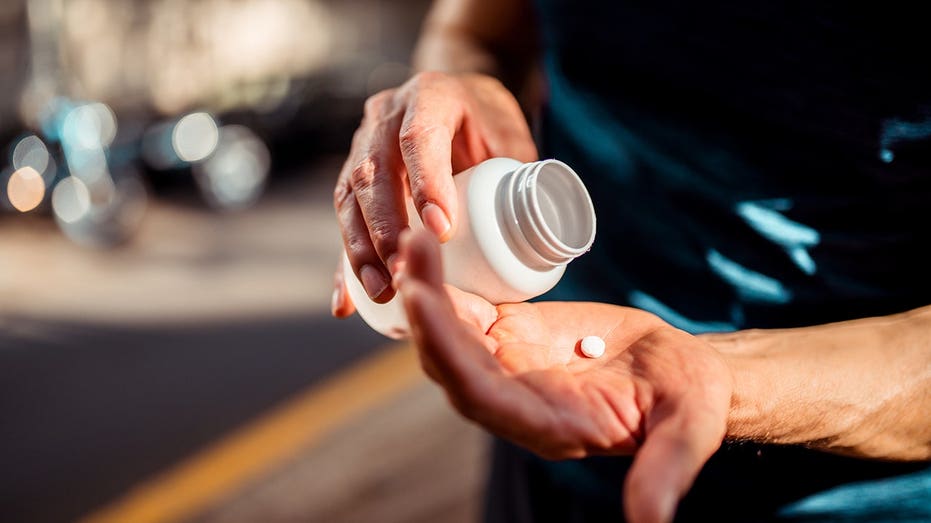
Anti-aging supplements taken by millions may undermine cancer treatment, study warns
Popular NAD+-boosting supplements like NMN and nicotinamide riboside may shield pancreatic cancer cells from chemotherapy, a new study warns.
Over-the-counter anti-aging supplements taken by millions of Americans to boost energy and lessen the side effects of chemotherapy may actually impair cancer treatments, a new study suggests.
Researchers at the Case Western Reserve University School of Medicine found that popular vitamin B3 derivatives – including nicotinamide mononucleotide (NMN), nicotinamide riboside (NR) and nicotinamide (NAM) – could help cancer cells survive chemotherapy.
Those compounds are used by the body to produce NAD+, a molecule that helps cells generate energy and repair damage.
IV THERAPY AND SUPPLEMENTS UNDER SCRUTINY AS EXPERTS WARN OF POTENTIAL SIDE EFFECTS
The study, published in the journal Cancer Letters, examined how these supplements interact with treatments for pancreatic cancer, a particularly deadly form of the disease with a 13% five-year survival rate, according to the American Cancer Society.
While boosting NAD+ levels through dietary supplements can offer health benefits to non-cancerous cells, pancreatic cancer cells may exploit the extra resources to repair damage caused by chemotherapy and avoid cell death, the researchers found.
In both laboratory settings and animal models, the supplements shielded cancer cells against three common chemotherapy drugs: oxaliplatin, 5-fluorouracil and gemcitabine. As a result, tumors survived chemotherapy doses that typically would prove fatal to them.
CLICK HERE TO SIGN UP FOR OUR HEALTH NEWSLETTER
"Our findings highlight a potentially concerning role for NAD+-boosting supplements in the context of active cancer, especially when used in conjunction with chemotherapy," said study lead Jordan Winter, a professor at Case Western Reserve School of Medicine and co-leader of the developmental therapeutics program at the Case Comprehensive Cancer Center, in the press release.
CLICK HERE FOR MORE HEALTH STORIES
"Our discovery is a call to action for the medical community."
The study notes that these B3 derivatives are not considered dangerous for healthy individuals using them for general wellness. However, the risk becomes significant for patients currently undergoing active cancer therapy.
"This research is a critical reminder that ‘natural’ doesn’t always mean safe, especially in the complex biology of cancer treatment," Winter added.
In light of the findings, the research team recommends that oncology teams begin routinely screening patients for supplement use. They also called for more studies into how NAD+ precursors interact with cancer therapies.
TEST YOURSELF WITH OUR LATEST LIFESTYLE QUIZ
Winter urged patients currently in treatment to consult their oncologists before taking any over-the-counter supplements.
Because the study relied on laboratory cell cultures and animal models, the findings may not directly translate to how human patients process these supplements during treatment, the team noted.
Additionally, the research focused exclusively on pancreatic cancer, meaning the supplements may not have the same effect on chemotherapy for other cancer types or with different drug combinations.
The study also only evaluated short-term cellular responses under controlled laboratory conditions and not human clinical trials, so it remains unclear how these supplements could affect cancer patients over time.
Fox News Digital reached out to multiple NAD+ supplement manufacturers for comment.