


Autism providers cheer Trump crackdown after millions allegedly stolen from children through Medicaid fraud
Autism care providers back the Trump administration's Medicaid fraud crackdown but warn policymakers not to create barriers for families of autistic children.
FIRST ON FOX: American autism care providers are backing the Trump administration's crackdown on Medicaid fraud, arguing that the alleged theft of millions of federal funds has hurt both taxpayers and children with autism who rely on those services.
A coalition of autism clinicians, behavioral therapists and families of children with autism are speaking out in favor of the administration's efforts to hold people accountable for the suspected exploitation of the Medicaid system.
The group — the Autism Families Alliance — describes itself as a national advocacy organization dedicated to supporting Applied Behavior Analysis providers and the families who rely on their services. It aims to ensure that every child and family has access to high-quality care without unnecessary barriers, reduced access or funding cuts.
"We do this work because we believe every child deserves the chance to communicate, gain independence, and live the fullest life possible," Taylor Sanders, a family advocate at the Autism Families Alliance, told Fox News Digital. "I’ve worked with children who found their voice after being nonverbal. I’ve watched families go from fear and uncertainty to hope because their child was finally making progress. Those are the moments that keep us going. That’s why we’re here."
WATCH: DR. OZ SAYS NEWSOM, OTHER BLUE STATES HAVE TURNED MEDICAID FRAUD INTO A 'FEATURE'
"President Trump and the administration are right: fraud is unacceptable and those responsible should be prosecuted to the fullest extent of the law," Sanders added.
The group argues that every dollar allegedly stolen by fraudsters should have been used to help a child with autism learn to communicate, gain independence and receive the care they need.
The members strongly support eliminating fraud and prosecuting suspected criminals, but they also fear that broad federal and state efforts to root out fraud could unintentionally make it more difficult for legitimate providers to care for children with autism.
Some states, including Georgia, North Carolina and Indiana, have taken steps to enhance oversight of autism services.
But the coalition is calling on policymakers to ensure fraudsters are removed from the system without creating what they describe as unnecessary barriers for families of vulnerable children seeking care.
"There’s real concern among the families I work with that their children’s care could be interrupted because of the government’s response to these criminals," Sanders said. "Access to these programs aren’t a political talking point to these families, it’s their lifeline. Losing this lifeline is a real fear that parents worry about every day. As some states move to crack down on fraud, we have to make sure we’re targeting fraudsters, not putting new barriers in front of families trying to get their children the care they need."
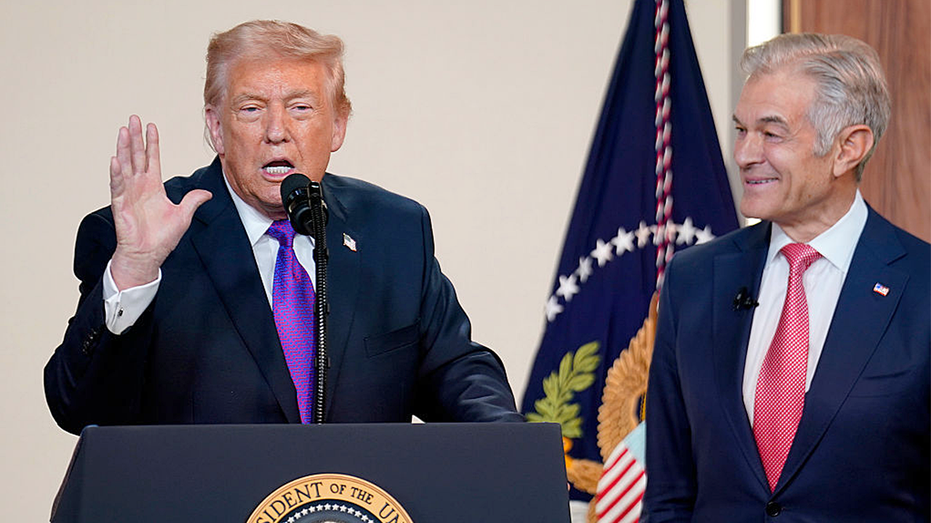
The coalition's stance on the administration's fraud crackdown echoes comments made recently by Dr. Mehmet Oz, who serves as administrator of the Centers for Medicare & Medicaid Services.
READ: DR. OZ PUTS ALL 50 GOVERNORS ON NOTICE OVER BILLIONS LOST TO MEDICAID FRAUD
"The good news is, our biggest allies are the folks who are doing it right," Oz said at a press briefing earlier this year as part of an announcement of a sweeping national anti-fraud initiative targeting multi-billion dollar Medicaid and Medicare leakage across various states.
"They are the people who are doing hospice right, home healthcare right, who are doing all the things that we need for autism in this country. Those people come to us actually frustrated, angry that we’re allowing, tolerating fraudsters who not only hurt people they care about but are stealing their business inappropriately," he said at the time.
Rocio Berni, the mother of an autistic child, Manny, in Charlotte, North Carolina, spoke about how her child has benefited from ABA providers.
"Working alongside ABA therapy providers has been immensely beneficial for my son," she told Fox News Digital. "Manny struggled with tantrums, and while he loved being around other children, he was frustrated by his inability to communicate with them."
"Today, through the work of dedicated therapists, we have learned to better regulate his behavior," she continued. "My son is now able to approach other children, and we hope he will be able to carry on basic, fulfilling conversations. I simply can’t imagine what his life would be like without this care. I pray that policymakers will ensure that Manny and children like him maintain access to this essential care."
Kelsey Bennett, also a family advocate at the Autism Families Alliance, said fraud has "no place" in healthcare, emphasizing that ABA is "no exception."
"As a practicing clinician, it is disheartening to see the actions of a small number of bad actors cast a shadow over the thousands of ethical clinicians who have dedicated their careers to improving the lives of children with autism and their families," she told Fox News Digital.
Bennett said she backs moves to hold fraudsters accountable, but warned that those targets must be carefully pursued.
"We fully support efforts to identify and hold accountable those who engage in fraudulent billing, improper claims, or substandard care," Bennett said. "Fraud harms taxpayers, undermines trust in the healthcare system, damages the reputation of legitimate providers, and, most importantly, puts vulnerable children at risk."
"At the same time, efforts to combat fraud must be carefully targeted," she continued. "Policies designed to stop abuse should focus on those responsible without creating unnecessary barriers for families seeking medically necessary services. For children with autism, consistency and continuity of care are critical to long-term progress, and significantly limiting telehealth for supervision and assessments can further restrict access for families in rural and underserved areas. Families should not have to worry that broad policy changes or administrative burdens will interrupt the treatment their children rely on."
"The overwhelming majority of ABA providers are committed to providing high-quality, evidence-based care with integrity," she added. "Effective policy should protect public resources by eliminating fraud while preserving timely access to medically necessary treatment for the children and families these programs were created to serve. Children with autism should never bear the consequences of the unethical actions of a small minority of providers."