How headlights got brighter, whiter, and more blinding after dark
Automotive lights are better than they've ever been, but there's a trade-off.
Automotive lights are better than they've ever been, but there's a trade-off.
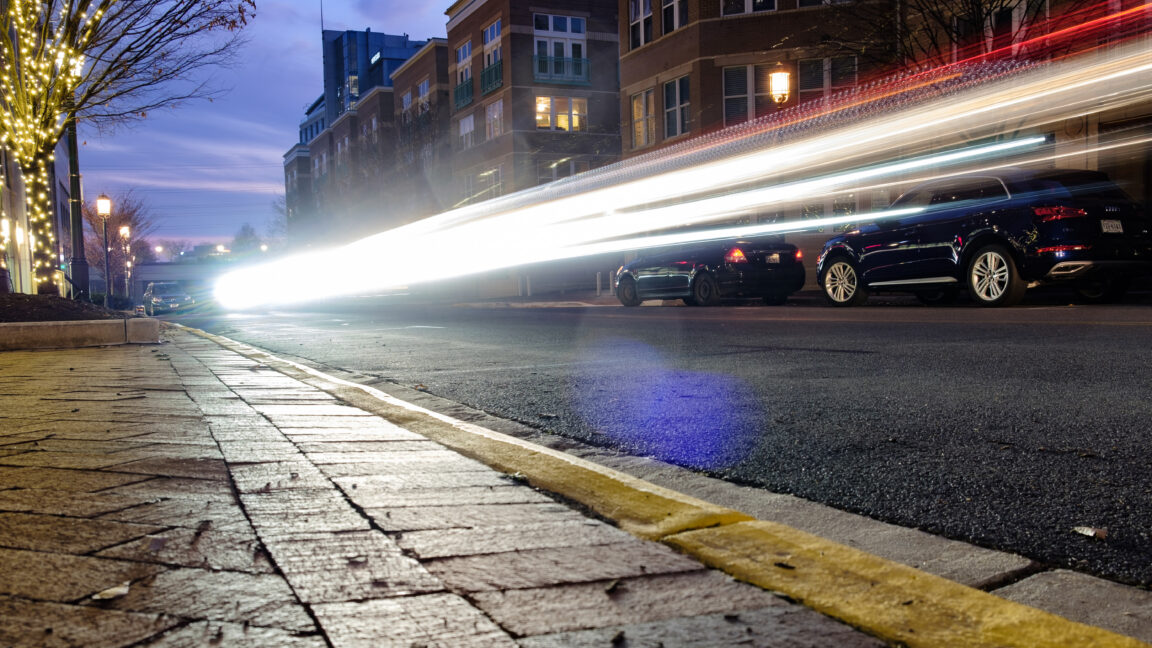
Every so often, I’ll be piloting some sensor-laden, software-defined press car down a dark stretch of highway when an oncoming driver’s high beams arrive like a targeted retinal strike, an involuntary reminder that modern automotive lighting has entered its own lumen arms race.
Anyone who has driven at night in the last few years knows what I'm talking about: A modern crossover crests a hill in the opposite lane, and the cabin briefly fills with enough cold-white light to suggest a police helicopter has joined traffic. The obvious assumption is that drivers are simply leaving their high beams on more often, but the reality is more complicated.
Before cars became the modern mode of transportation, horse-drawn carriages used oil lanterns to light the way, as roads were largely unlit outside of towns and cities. These lanterns weren’t particularly bright, though, meaning that after-dark collisions and near-misses were common.
This story was first published by Ars Technica. Read the original report
We use cookies to run this site and, with your consent, to measure traffic and improve our content. Necessary cookies are always on. You can accept all cookies or choose which ones to allow. Privacy policy.