Traders brought Central American cacao to Georgia 1,000 years ago
"We built this city on good cacao" does have a nice ring to it.
"We built this city on good cacao" does have a nice ring to it.
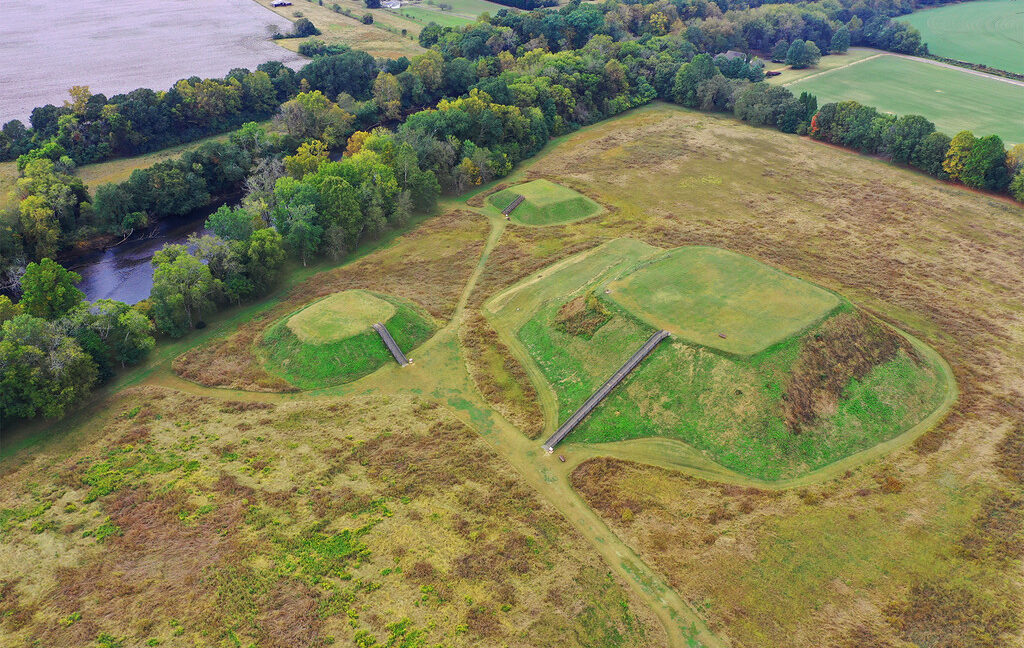
A thousand years ago, feasts in what’s now northern Georgia (in the US) included cacao from Central America.
Potsherds discarded after an 11th-century feast at Etowah—an Indigenous city just north of what’s now Atlanta, Georgia—contained traces of cacao, a raw ingredient of chocolate. The chemical residue and ancient DNA reveal that not only did the Mississippian people who built the city have excellent taste, they also had trade connections that reached at least 3,000 kilometers to Central America. And in a sense, chocolate may have helped build the Mississippian mounds.
University of South Carolina archaeologist Adam King and his colleagues found fragments of ancient DNA from Theobroma cacao in the inner surfaces of potsherds from long-ago feasts at Etowah. Fruit from the cacao tree contains beans that, when dried and roasted, produce chocolate in all its glorious forms. Cacao only grows in the tropics, which means the nearest actual cacao trees would have been at least a 3,000-kilometer trek away from the woodlands of the eastern US. And that means the Mississippian people who lived in Etowah must have had continent-spanning trade connections.
This story was first published by Ars Technica. Read the original report
We use cookies to run this site and, with your consent, to measure traffic and improve our content. Necessary cookies are always on. You can accept all cookies or choose which ones to allow. Privacy policy.