


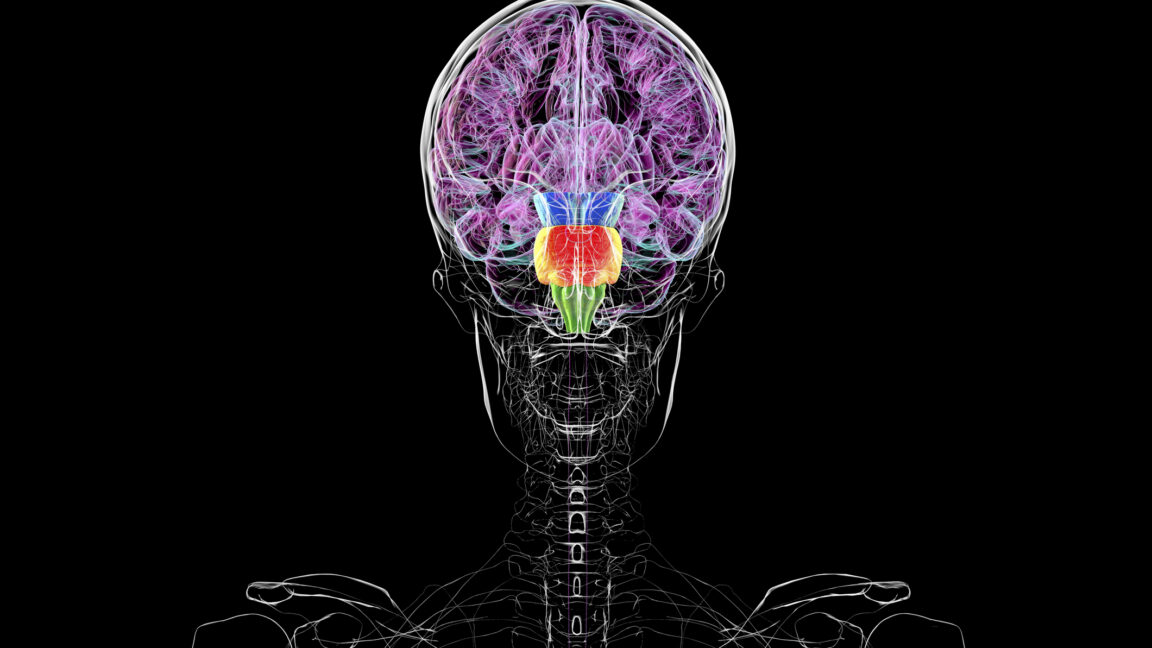
Contrary to some reports, you don't have two brains
A bad press release makes a good excuse to look at how developmental biology works.
Late last week, we started seeing headlines about how new research was suggesting we might have two brains instead of the one that seems to show up on MRI scans. As is so often the case, these rumors can be traced back to a single press release put out by one of the universities where the work was done.
You do not have two brains. It's a silly way to look at the results of the new paper.
But there are far better ways to look at the results, ways that can help us understand how the brain gets put together and illustrate some of the general ideas behind developmental biology. So let's take a look at what the research actually shows and place it in the context of brain development.