NASA chief concerned China may deny access to parts of South Pole
"If you come up short with who comes down the ladder first, the impact is felt around the world."
"If you come up short with who comes down the ladder first, the impact is felt around the world."
Last month, China delayed the launch of an ambitious robotic mission to the South Pole of the Moon, Chang’e 7, until early next year. The country did not provide a detailed explanation for the schedule slip, but it was welcomed by NASA Administrator Jared Isaacman.
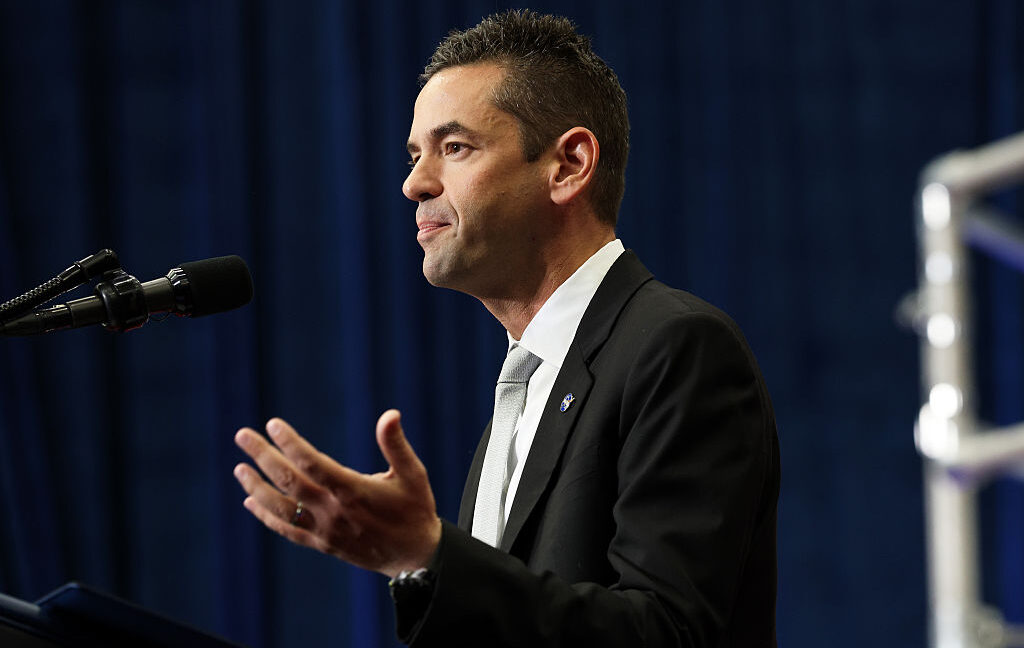
"They are targeting the exact same location on lunar South Pole," Isaacman said Wednesday evening at the Off World conference in Houston. "We may have dodged a bullet with the Chang'e 7 mission a couple of weeks ago because that would have gone to the Shackleton crater."
Much of the lunar surface is pretty barren, but the South Pole, and the Shackleton Crater in particular, offers some of the most coveted real estate there. That's because the high rims of the crater create permanently shadowed regions known as “cold traps,” where it’s thought that water (in the form of ice, of course) and other useful materials may have accumulated over billions of years.
This story was first published by Ars Technica. Read the original report
We use cookies to run this site and, with your consent, to measure traffic and improve our content. Necessary cookies are always on. You can accept all cookies or choose which ones to allow. Privacy policy.