


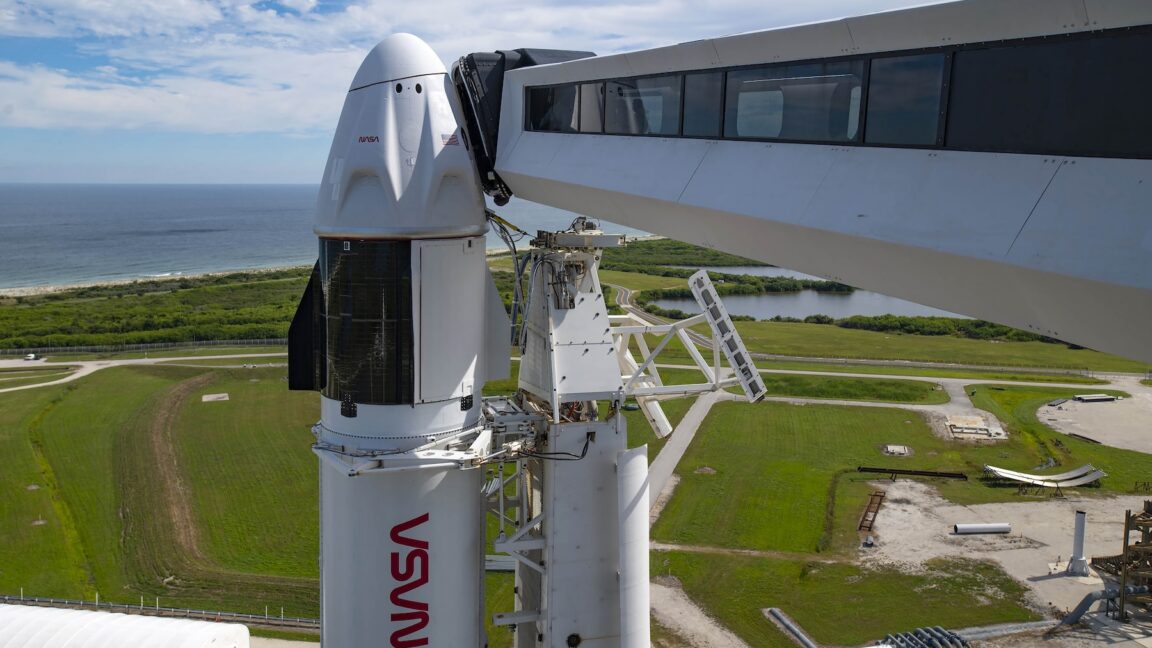
NASA has a Dragon dilemma, and there appear to be no good answers
So is SpaceX just being selfish or what?
For two decades, largely in service to the International Space Station, NASA has sought to foster an "economy" in low-Earth orbit.
Twenty years ago, with a program to develop private spacecraft for cargo delivery to the space station, NASA sought to "stimulate efforts within the private sector to develop and operate safe, reliable, and cost-effective commercial space transportation systems." In recent years this has expanded to creating an entire commercial ecosystem in orbit, with transportation, space stations, manufacturing, tourism, and more, such that NASA is one of many customers in the market.
In April 2024, the space agency explicitly laid out its philosophy: "NASA supports a robust commercial space economy that advances American industry and promotes technological discovery through in-space work and research. NASA remains committed to fostering innovation and collaboration within the American space industry."