


AI game clones are making indie developers afraid to show their work
Delayed Steam Next Fest demo is a sign of a growing problem for indie devs.
Since its earliest days, the video game industry has been built on developers creating clones of competing games, with varying levels of originality and varying levels of enforcement from game platforms. Now, though, AI coding tools are making that cloning process so efficient that many developers are getting extremely cautious about sharing their early work too widely.
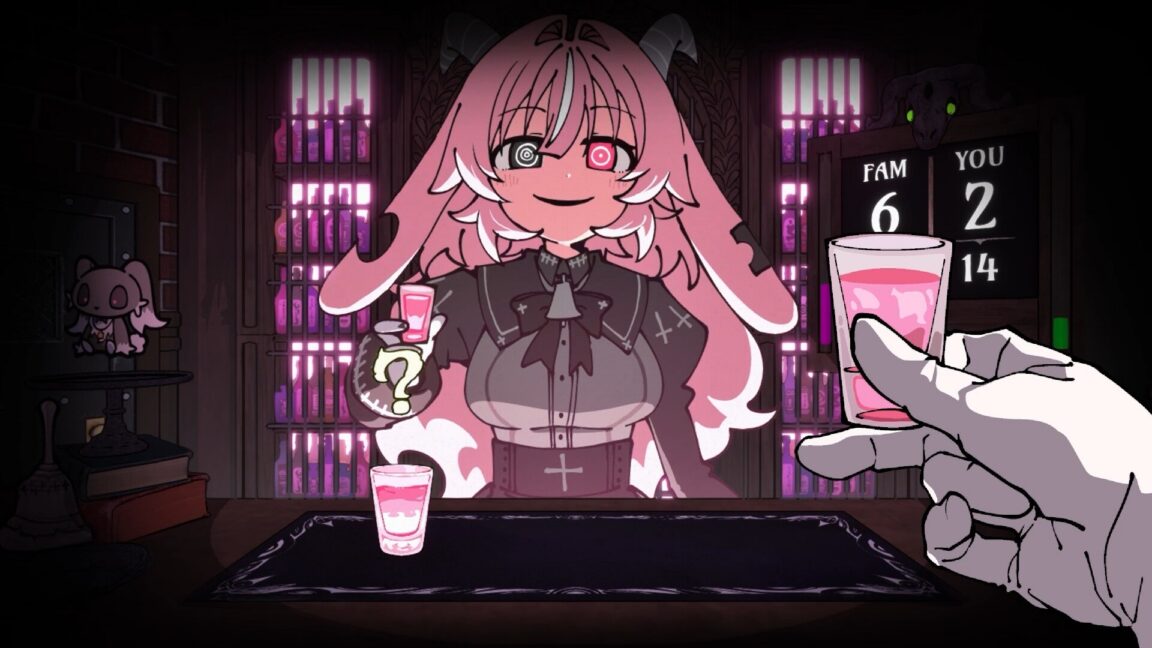
Developer Alliance Arts highlighted this trend over the weekend, delaying the launch of a planned public demo for its demon-themed Russian Roulette drinking game Drunken Goddess Reflex, which had been set to go live with today's launch of Steam Next Fest.
In a post on social media Friday evening, the Alliance Arts team wrote that, in addition to concerns about managing streaming restrictions, "we're concerned that the demo's content could be used to quickly imitate or replicate the game's presentation and gameplay with AI or other tools and that such works could be released before our launch."