


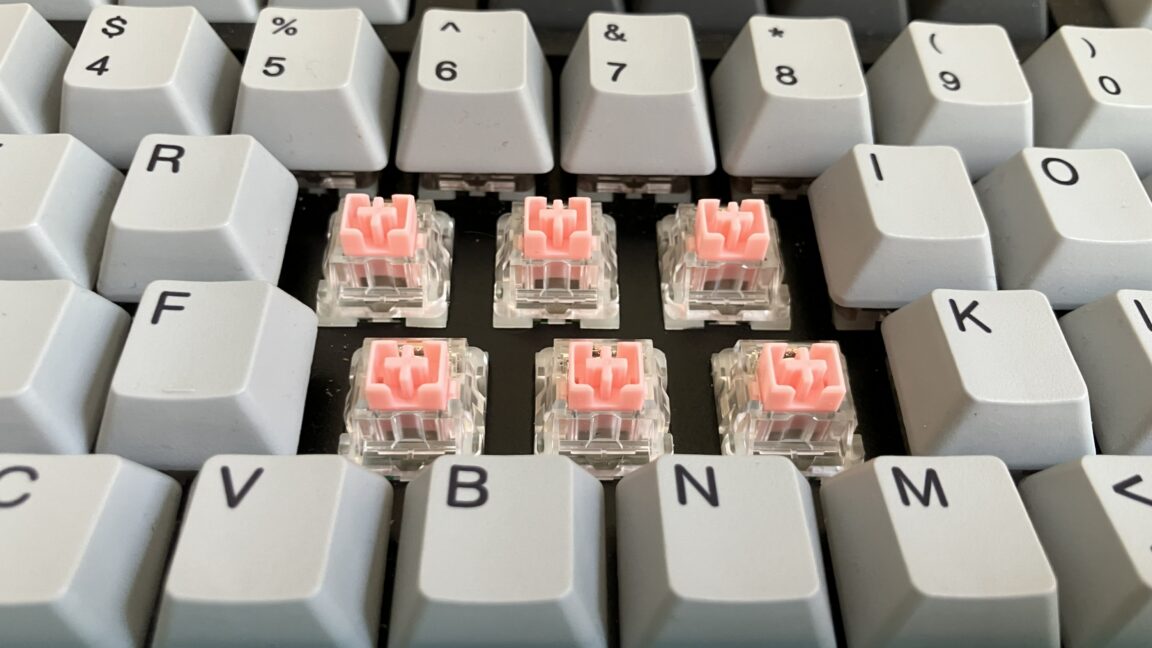
Explaining Hall-effect, TMR, and other new types of "mechanical" switches
Ars Technica's guide to new keyboard sensing technologies.
The mechanical keyboard isn't always so mechanical anymore.
Over the past six years, keyboards with optical, Hall-effect, and other "contactless" switches have become increasingly common, often going for higher prices than traditional mechanical keyboards, which already command a premium over basic membrane boards. In return, they promise some theoretical advantages, particularly for gamers. In daily use, though, the differences can be pretty subtle.
So what exactly are you paying for? In this guide, we break down how the newest switches work, why contactless designs are becoming more popular, and where their advantages—and disadvantages—really matter.