


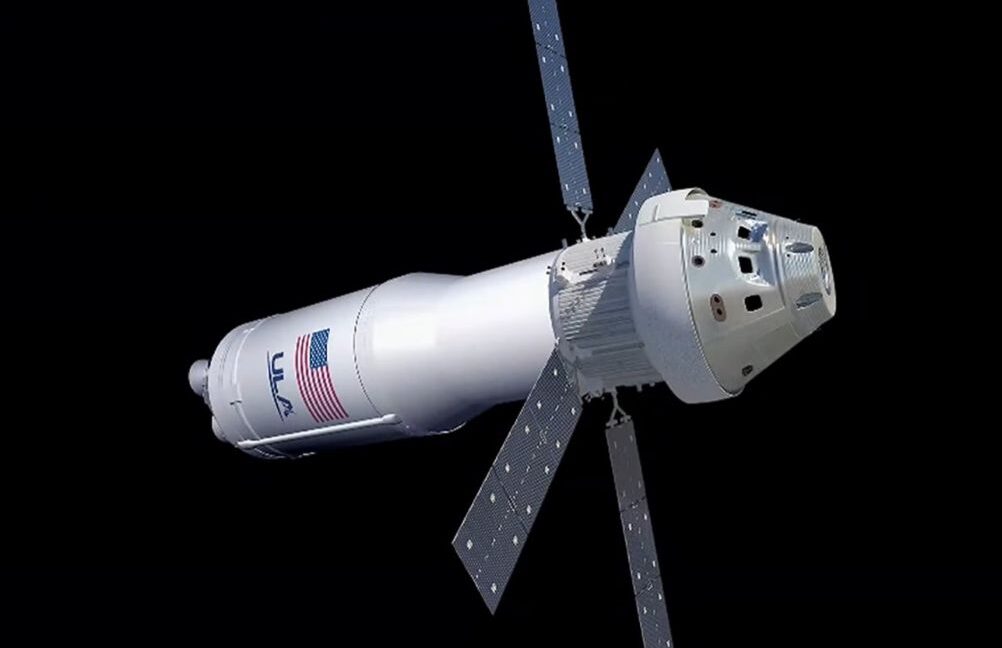
NASA updates lander plans for Moon landings, finally solves long-festering Orion issue
"We have the mandate, we have the resources, and the support from our stakeholders."
During a lengthy news conference NASA on Friday provided a detailed overview of how it plans to return astronauts to the lunar surface, as soon as 2028, as part of its Artemis Program.
Although much of the information behind these plans has been previously reported in Ars Technica and elsewhere, this marked the first time NASA has laid them out in detail and acknowledged some substantial changes in the architecture.
Most notably, for SpaceX's Starship vehicle, the revised plan calls for the Orion spacecraft to dock with the Starship lunar lander in high-Earth orbit before transiting to the Moon. And for Blue Origin, the mission architecture includes four launches of the New Glenn rocket, but no spacecraft-to-spacecraft refuelings. Additionally, the Blue Origin plans allows for the possibility of its Blue Moon lander rendezvousing with Orion in low-Lunar orbit.