


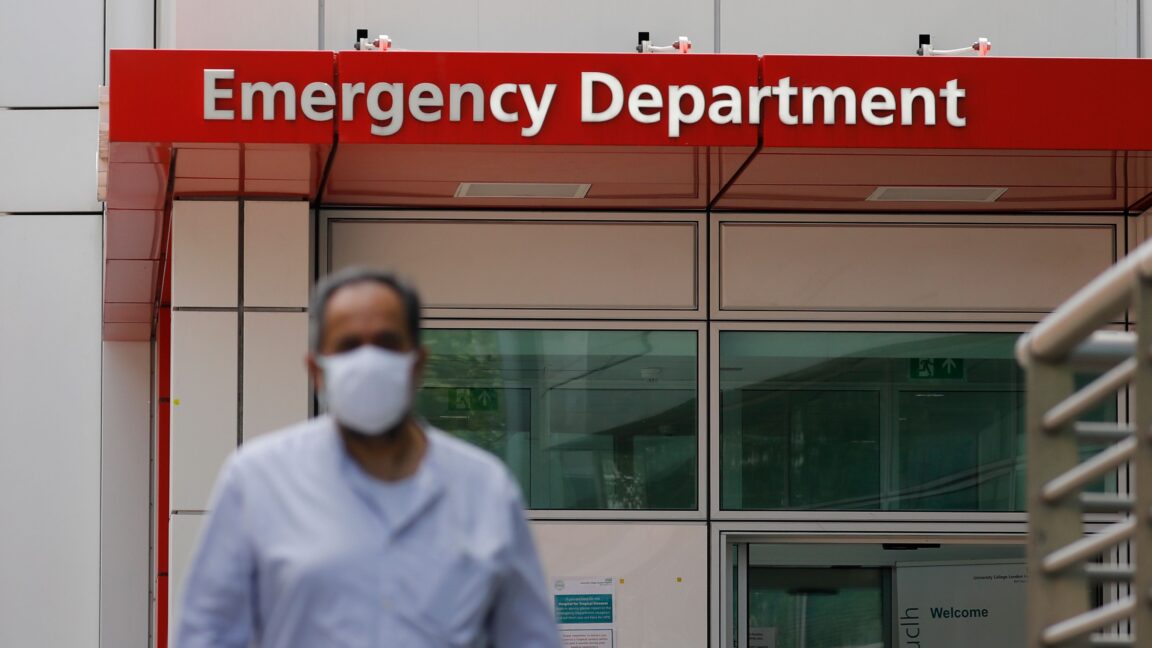
Patient-zero drill put health facilities to the test—40% of them failed
Actors with makeup and fake symptoms staggered into 73 healthcare facilities.
COVID-19 made the weaknesses in our pandemic preparedness at national and global levels painfully clear. But a new study highlights that even at the first, local steps of an outbreak with pandemic-potential, we are worryingly underprepared.
Health officials in New York set up a regional test of healthcare facilities to identify and respond to a patient with a mystery infection that could pose a pandemic-level threat. But things didn't go well. Overall, responses were slow, appropriate use of personal protective equipment was spotty, and only 60 percent of facilities passed the basics of the test—an overall failing grade.
"These drills identified needs for health care workers and health care facility staff member training to achieve earlier identification, masking, and isolation of potentially infectious febrile patients," the officials wrote in the study, which was published in the Morbidity and Mortality Weekly Report.