With Starship catch, SpaceX still shows it can dazzle the world
It felt like stepping into the future.
It felt like stepping into the future.
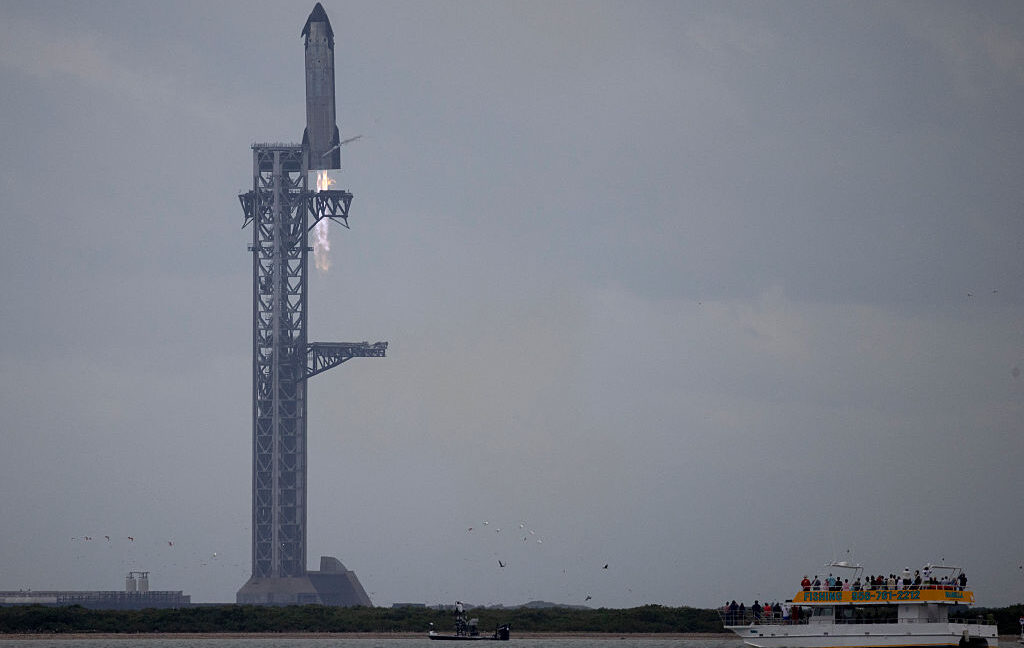
STARBASE, Texas—The black and silver ship fell out of the sky, emerging from the cloud deck near the very end of its flight. Incongruously, the rocket flew horizontal until the last moment when three Raptor rocket engines ignited and it swooped into a vertical position.
Slowly, gently, haltingly, the Starship upper stage eased its way toward the waiting tower where two arms extended outward, awaiting expectantly. The margins are so incredibly narrow. Two nubs on either side of the rocket, each protruding only about one foot, were the only purchase the rocket would have on the arms.
Then, less than a minute after it came into view, the Starship upper stage was snagged by the launch tower, as snug as you like. And so it was all over. SpaceX, nearly a quarter of a century after its founding, had just taken a hugely significant step toward developing and optimizing a massive, rapidly reusable rocket.
This story was first published by Ars Technica. Read the original report
We use cookies to run this site and, with your consent, to measure traffic and improve our content. Necessary cookies are always on. You can accept all cookies or choose which ones to allow. Privacy policy.