


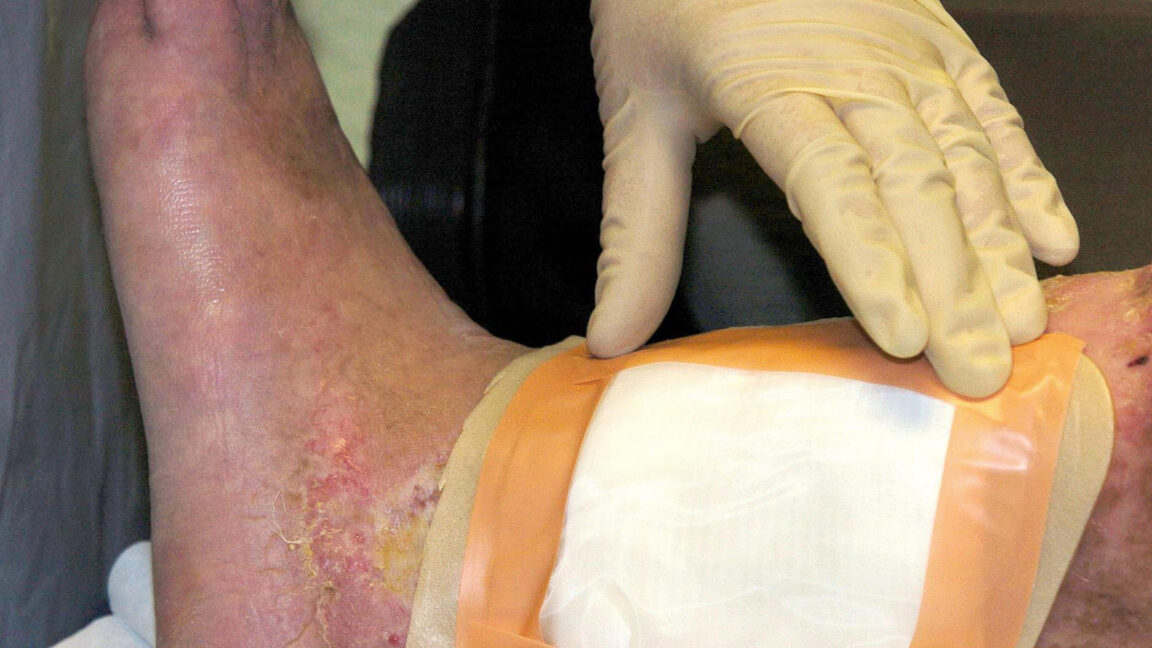
Second carcass-eating fly species cleared by FDA for maggot wound therapy
Maggot therapy lacks robust data, but it has fans and a fail-safe "bacon therapy."
The Food and Drug Administration this week cleared a second carcass-feasting fly species for use in maggot wound therapy, according to an announcement from Cuprina Holdings, a Singapore-based company that has dubbed its new therapeutic larvae MediFly Maggots.
With the clearance, Cuprina appears to be the only company to have FDA clearance to sell two species of fly larvae—and it's abuzz with the potential to dominate the global maggot market.
The new species is Lucilia cuprina, or Australian sheep blowfly. It's a close relative of Lucilia sericata, or the common green bottle fly, which is the fly species most often used for wound therapy, often called biosurgery or maggot debridement therapy (MDT). L. sericata is the only other fly with FDA clearance, which the agency first granted in 2004 to Ronald Sherman, who is now Cuprina’s Medical and Scientific Director.