


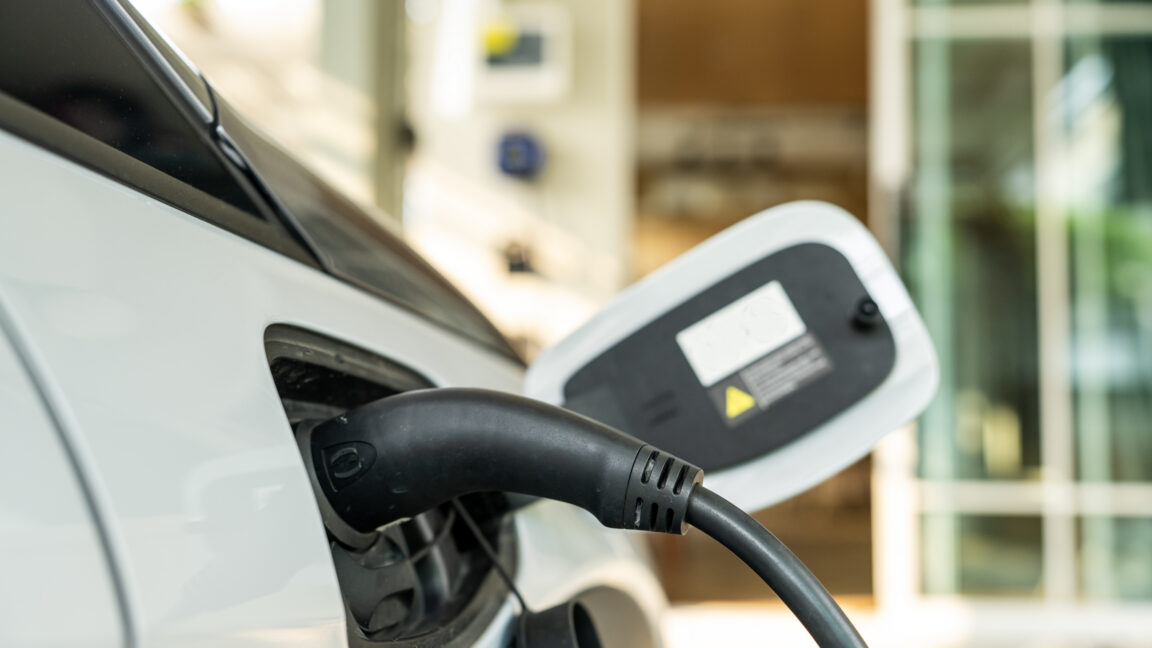
Doubling the voltage: What 800 V architecture really changes in EVs
Confused about electric vehicle voltages? You won't be after reading this.
For more than a decade, most electric vehicles have shared the same electrical backbone: a battery pack operating at roughly 400 V. It’s the invisible standard behind everything from early compliance cars to today’s bestselling EVs. But over the past few years, a growing number of automakers have doubled that number, moving to 800 V architectures and promising dramatically faster charging, better performance, and improved efficiency.
Cars like the Porsche Taycan and Hyundai Ioniq 5 helped push 800 V into the mainstream conversation, touting 18-minute charging sessions and sustained high-speed performance. On paper, doubling the voltage sounds like a simple upgrade. In reality, it reshapes everything from cable thickness and thermal management to semiconductor choice and charging infrastructure compatibility.
The physics: Why higher voltage matters
Understanding why higher voltage matters is as important as the hardware that carries it.